
It is a sad fact that there are only a handful of Austenesque releases which focus on other Jane Austen's oeuvre compared to the plethora of Pride and Prejudice-related stories published every year. More so if it is based on Mansfield Park, one of Austen's least read novel. All this is about to change with the recent release of A Contrary Wind which is penned by debut novelist Lona Manning. Do read the following enticing excerpt and give this book a try.

A dress rehearsal of the three first acts of Lovers' Vows was to take place in the following evening: The players were all assembled in the billiard room and were waiting only the arrival of Mrs. Grant and the Crawfords to begin. With great bustle and satisfaction Mrs. Norris entered, followed, as a sovereign by her attendants, or a peacock by his tail, by two housemaids carrying the green baize curtains over which she had bestowed so much care.
"All the rings are sewn on, and we may hang the curtains now. Now you shall have a proper theatre!" She glanced up at the ceiling and her look of triumph disappeared, to be replaced with a mortified expression.
"Tom! Tom! To what were we supposed to attach the curtains?"
"The ceiling, Aunt? I — I don't know, the thought had never occurred to me. Send for Christopher Jackson, what has he been about? I told him I required a theatre."
As everyone waited, some exclaiming about the absolute necessity of having curtains, while two of the party privately sighed over the needless additional expense, the housemaids began to sink under their burden and Mrs. Norris, growing increasingly vexed, ordered them to fold the curtains in a neat pile on a corner of the stage.
Jackson swiftly arrived from the servants' hall. "Your pardon, Mr. Bertram sir, but you told me you wished me to build a stage, but constructed so as not to mar the paneling or the floors. No-one as told me you wished to hang curtains."
"Of course we did, you tiresome fellow," interposed Mrs. Norris. "Every stage has one of those — one of those...." she gestured overhead.
"A proscenium arch, ma'am?" asked Jackson.
"Whatever you may call it! A means to hang the curtains!"
"I'm very sorry ma'am, sir, for this blunder, but I did build as I was asked to build and no-one —"
"Never mind that now," interposed Tom Bertram. "Tomorrow morning, at first light, I want you to fetch more lumber and build a proscenium arch."
"Very well, sir. It shouldn't take more than a day or two, sir. And a fair quantity of lumber, sir."
"See to it."
Mrs. Norris was extremely put out that the rehearsal would take place on a bare stage with no curtains, and many a reflection on Christopher Jackson and his sly, lazy, cunning ways was needed to dispel the worst of her vexation. She was still expostulating when Henry and Mary Crawford arrived, but without their sister Mrs. Grant, who could not come. Dr. Grant, professing an indisposition, for which he had little credit with his fair sister-in-law, could not spare his wife.
"Dr. Grant is ill," said she, with mock solemnity. "He has been ill ever since he did not eat any of the pheasant today. He fancied it tough, sent away his plate, and has been suffering ever since".
Here was disappointment! What was to be done? After a pause of perplexity, some eyes began to be turned towards Fanny, and a voice or two to say, "If Miss Price would be so good as to read the part." She was immediately surrounded by supplications; everybody asked it; even Edmund said, "Do, Fanny, if it is not very disagreeable to you."
"And I do believe she can say every word of it," added Maria, "for she could put Mrs. Grant right the other day in twenty places. Fanny, I am sure you know the part."
Fanny could not say she did not; and as they all persevered, as Edmund repeated his wish, and with a look of even fond dependence on her good-nature, she must yield. She would do her best.
Their audience was composed of Lady Bertram and Mrs. Norris. Julia stayed pointedly away. Mr. Rushworth, resplendent in his pink satin cape, watched glumly through the first act as his affianced Maria explained to her son, as portrayed by Henry Crawford, how she had come to be seduced by the Baron Wildenhaim; Frederick knelt before the anguished Agatha, took her hand, and pressed it against his heart as she declaimed:
Oh! oh! my son! I was intoxicated by the fervent caresses of a young, inexperienced, capricious man, and did not recover from the delirium till it was too late.
Fanny, watching from the wings, thought Rushworth would exclaim aloud, but his scowl merely darkened.
The second and third acts brought Fanny's time of suffering, as she watched Miss Crawford — in her guise as the impudent, bewitching Amelia — make love to the noble-minded Anhalt. The words of love spoken to each other, while powerfully painful for Fanny to hear, were yet not so tormenting in the billiard room, as they had been in the quiet and intimacy of the East Room, not with the distraction of the feathers on Lady Bertram's headdress bobbing about as she dozed and awakened, and Mrs. Norris's constant fidgeting — but they were tormenting enough.
For her own stage debut she could barely speak above a whisper, but she cared not. This was to be her last night amongst them, the last night she would stand close enough to Edmund to brush against his sleeve, to hear his voice, to see his dark hair as it curled gently just over his collar, to see him bestow a sympathetic smile on her as she spoke her lines.
What with the fits and starts, and the patient coaxing of Mr. Rushworth through his two-and-forty speeches, and the impassioned bellowing by the Baron, the final curtain, had there been one, would not have been rung down until after nine o'clock. Lady Bertram had been gently snoring since the beginning of Act II, but Mrs. Norris was all enthusiasm and full of the warmest praise for the players. Mr. Yates declared himself tolerably satisfied (in truth, he was being polite, for the efforts of the others were far from the mark of excellence he himself had set). Tom proposed a bowl of punch and supper in the dining room, and Mary and Henry Crawford were earnestly desired to stay the night. The servants, some of whom had been listening to the play by lingering in the hallway without, scattered like a flock of pigeons to bring victuals, candles, and hot punch, and to prepare enough beds for all the guests.
The young people, still with the exception of Julia, retreated to the dining room to drink, eat and be merry, and Lady Bertram and Mrs. Norris retired for the evening, soon followed by Fanny, under plea of a slight headache.
Fanny encountered Julia on the staircase. "I see that you have given in at last, Fanny," her cousin said scornfully.
"It was only for a rehearsal, Julia. I don't wish to act, as you know."
"Ah, even when you do wrong by your own admission, you do no wrong. Have you never succumbed and done what you knew to be wrong? No? I will tell you why. It is not because you are more virtuous than the rest of us — though I know you think you are. It is because nothing tempts you. You are too frightened of everything to attempt anything. Whatever is not tame and insipid is disgusting to you. Wherefore then, can you hold yourself out as better than the rest of us?"
"Julia, I never — "
But Julia brushed past her carelessly and went up to her own room.
And so, farewell, cousin! Fanny saluted her silently, and retired to her bedroom, but not to sleep. She sat instead, at the rickety little table that could barely support her washbasin, to compose a final letter to Edmund. But how much of her true feelings could she, ought she, reveal to him?
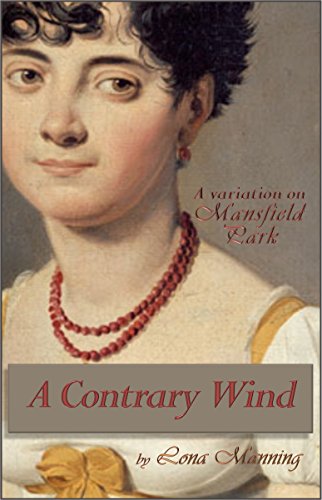 Fanny Price, niece to Sir Thomas Bertram of Mansfield Park, is an intelligent but timid girl from a poor family, who is grateful for the advantages of education and breeding conferred upon her as result of growing up with her wealthier cousins.
But the cruelty of her Aunt Norris, coupled with the pain of knowing that the man she secretly loves is infatuated with the vivacious but cold-hearted Mary Crawford, compel Fanny to run away from Mansfield Park and find employment as a governess.
Far away from everything she ever knew and the one man she loves, will Fanny grow in fortitude and independence? Will a new suitor heal her broken heart? Or will a reckless decision threaten to destroy her own life and the lives of those she holds most dear?
This variation of Jane Austen's novel includes all the familiar characters from Mansfield Park, as well as some new acquaintances.
 Lona Manning has worked as a non-profit administrator, a vocational instructor, a market researcher and a speechwriter for politicians. She currently teaches English as a Second Language in mainland China.
Lona was born in Seoul, South Korea shortly after the Korean War. Her father taught library science and her mother cared for war orphans. She and her husband Ross have two grown sons. They divide their time between their home in the Okanagan Valley in British Columbia, Canada, and China.
Lona is the author of The Hurricane Hoax, The Murder of Madalyn Murray O'Hair and other true crime stories. This is her first novel.
Excerpt
Note: Where Jane Austen's original text is used, her words appear in a different font.A dress rehearsal of the three first acts of Lovers' Vows was to take place in the following evening: The players were all assembled in the billiard room and were waiting only the arrival of Mrs. Grant and the Crawfords to begin. With great bustle and satisfaction Mrs. Norris entered, followed, as a sovereign by her attendants, or a peacock by his tail, by two housemaids carrying the green baize curtains over which she had bestowed so much care.
"All the rings are sewn on, and we may hang the curtains now. Now you shall have a proper theatre!" She glanced up at the ceiling and her look of triumph disappeared, to be replaced with a mortified expression.
"Tom! Tom! To what were we supposed to attach the curtains?"
"The ceiling, Aunt? I — I don't know, the thought had never occurred to me. Send for Christopher Jackson, what has he been about? I told him I required a theatre."
As everyone waited, some exclaiming about the absolute necessity of having curtains, while two of the party privately sighed over the needless additional expense, the housemaids began to sink under their burden and Mrs. Norris, growing increasingly vexed, ordered them to fold the curtains in a neat pile on a corner of the stage.
Jackson swiftly arrived from the servants' hall. "Your pardon, Mr. Bertram sir, but you told me you wished me to build a stage, but constructed so as not to mar the paneling or the floors. No-one as told me you wished to hang curtains."
"Of course we did, you tiresome fellow," interposed Mrs. Norris. "Every stage has one of those — one of those...." she gestured overhead.
"A proscenium arch, ma'am?" asked Jackson.
"Whatever you may call it! A means to hang the curtains!"
"I'm very sorry ma'am, sir, for this blunder, but I did build as I was asked to build and no-one —"
"Never mind that now," interposed Tom Bertram. "Tomorrow morning, at first light, I want you to fetch more lumber and build a proscenium arch."
"Very well, sir. It shouldn't take more than a day or two, sir. And a fair quantity of lumber, sir."
"See to it."
Mrs. Norris was extremely put out that the rehearsal would take place on a bare stage with no curtains, and many a reflection on Christopher Jackson and his sly, lazy, cunning ways was needed to dispel the worst of her vexation. She was still expostulating when Henry and Mary Crawford arrived, but without their sister Mrs. Grant, who could not come. Dr. Grant, professing an indisposition, for which he had little credit with his fair sister-in-law, could not spare his wife.
"Dr. Grant is ill," said she, with mock solemnity. "He has been ill ever since he did not eat any of the pheasant today. He fancied it tough, sent away his plate, and has been suffering ever since".
Here was disappointment! What was to be done? After a pause of perplexity, some eyes began to be turned towards Fanny, and a voice or two to say, "If Miss Price would be so good as to read the part." She was immediately surrounded by supplications; everybody asked it; even Edmund said, "Do, Fanny, if it is not very disagreeable to you."
"And I do believe she can say every word of it," added Maria, "for she could put Mrs. Grant right the other day in twenty places. Fanny, I am sure you know the part."
Fanny could not say she did not; and as they all persevered, as Edmund repeated his wish, and with a look of even fond dependence on her good-nature, she must yield. She would do her best.
Their audience was composed of Lady Bertram and Mrs. Norris. Julia stayed pointedly away. Mr. Rushworth, resplendent in his pink satin cape, watched glumly through the first act as his affianced Maria explained to her son, as portrayed by Henry Crawford, how she had come to be seduced by the Baron Wildenhaim; Frederick knelt before the anguished Agatha, took her hand, and pressed it against his heart as she declaimed:
Oh! oh! my son! I was intoxicated by the fervent caresses of a young, inexperienced, capricious man, and did not recover from the delirium till it was too late.
Fanny, watching from the wings, thought Rushworth would exclaim aloud, but his scowl merely darkened.
The second and third acts brought Fanny's time of suffering, as she watched Miss Crawford — in her guise as the impudent, bewitching Amelia — make love to the noble-minded Anhalt. The words of love spoken to each other, while powerfully painful for Fanny to hear, were yet not so tormenting in the billiard room, as they had been in the quiet and intimacy of the East Room, not with the distraction of the feathers on Lady Bertram's headdress bobbing about as she dozed and awakened, and Mrs. Norris's constant fidgeting — but they were tormenting enough.
For her own stage debut she could barely speak above a whisper, but she cared not. This was to be her last night amongst them, the last night she would stand close enough to Edmund to brush against his sleeve, to hear his voice, to see his dark hair as it curled gently just over his collar, to see him bestow a sympathetic smile on her as she spoke her lines.
What with the fits and starts, and the patient coaxing of Mr. Rushworth through his two-and-forty speeches, and the impassioned bellowing by the Baron, the final curtain, had there been one, would not have been rung down until after nine o'clock. Lady Bertram had been gently snoring since the beginning of Act II, but Mrs. Norris was all enthusiasm and full of the warmest praise for the players. Mr. Yates declared himself tolerably satisfied (in truth, he was being polite, for the efforts of the others were far from the mark of excellence he himself had set). Tom proposed a bowl of punch and supper in the dining room, and Mary and Henry Crawford were earnestly desired to stay the night. The servants, some of whom had been listening to the play by lingering in the hallway without, scattered like a flock of pigeons to bring victuals, candles, and hot punch, and to prepare enough beds for all the guests.
The young people, still with the exception of Julia, retreated to the dining room to drink, eat and be merry, and Lady Bertram and Mrs. Norris retired for the evening, soon followed by Fanny, under plea of a slight headache.
Fanny encountered Julia on the staircase. "I see that you have given in at last, Fanny," her cousin said scornfully.
"It was only for a rehearsal, Julia. I don't wish to act, as you know."
"Ah, even when you do wrong by your own admission, you do no wrong. Have you never succumbed and done what you knew to be wrong? No? I will tell you why. It is not because you are more virtuous than the rest of us — though I know you think you are. It is because nothing tempts you. You are too frightened of everything to attempt anything. Whatever is not tame and insipid is disgusting to you. Wherefore then, can you hold yourself out as better than the rest of us?"
"Julia, I never — "
But Julia brushed past her carelessly and went up to her own room.
And so, farewell, cousin! Fanny saluted her silently, and retired to her bedroom, but not to sleep. She sat instead, at the rickety little table that could barely support her washbasin, to compose a final letter to Edmund. But how much of her true feelings could she, ought she, reveal to him?
Book Blurb
But the cruelty of her Aunt Norris, coupled with the pain of knowing that the man she secretly loves is infatuated with the vivacious but cold-hearted Mary Crawford, compel Fanny to run away from Mansfield Park and find employment as a governess.
Far away from everything she ever knew and the one man she loves, will Fanny grow in fortitude and independence? Will a new suitor heal her broken heart? Or will a reckless decision threaten to destroy her own life and the lives of those she holds most dear?
This variation of Jane Austen's novel includes all the familiar characters from Mansfield Park, as well as some new acquaintances.
Author Bio
Lona was born in Seoul, South Korea shortly after the Korean War. Her father taught library science and her mother cared for war orphans. She and her husband Ross have two grown sons. They divide their time between their home in the Okanagan Valley in British Columbia, Canada, and China.
Lona is the author of The Hurricane Hoax, The Murder of Madalyn Murray O'Hair and other true crime stories. This is her first novel.
I agree that we need more variations and retellings for the other Austen novels.
ReplyDeleteI can understand why P&P gets so many variations compared with the others, but still wish that more were written based upon those five. One of my JAFF writer friends, who has written at least one variation based on another book, told me that the P&P ones outsell the others several times over, even if those others are well received. So, I guess we're stuck with that.
ReplyDeleteEven so, it's lovely to see a variation based upon Mansfield Park, which I re-read last year for the first time in years. Congratulations on your debut Lona, and good luck!